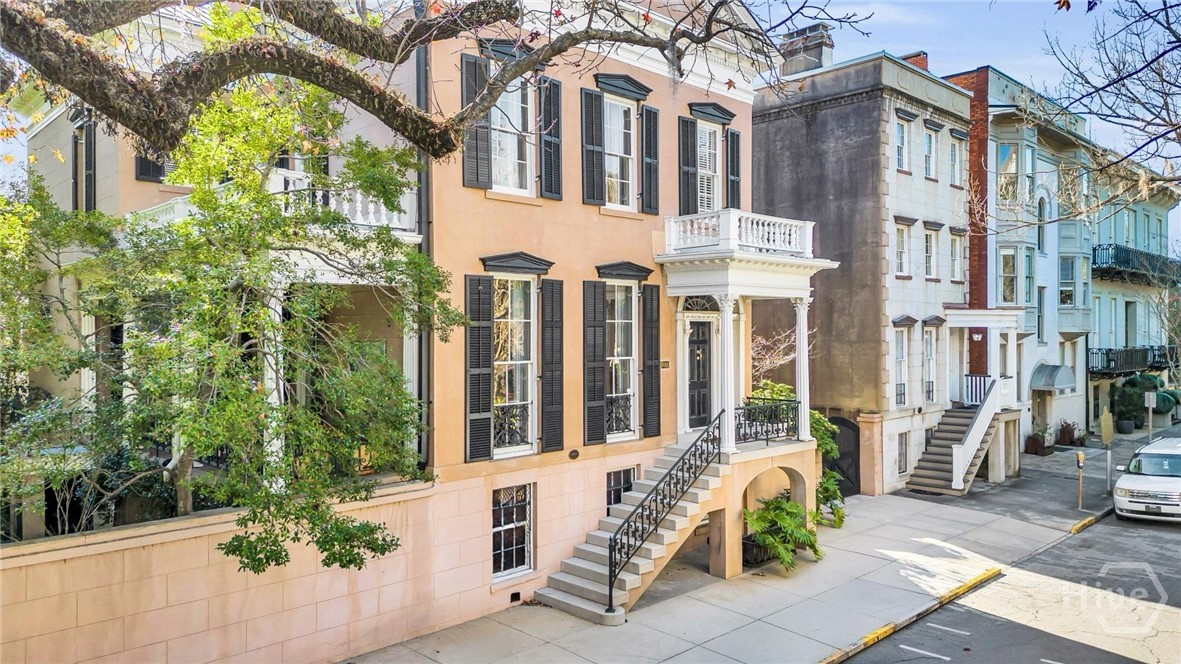
Comparing Pooler and Savannah? Explore price differences, commute patterns, lot sizes, home styles, and new-build tradeoffs to decide which move fits your lifestyle best.

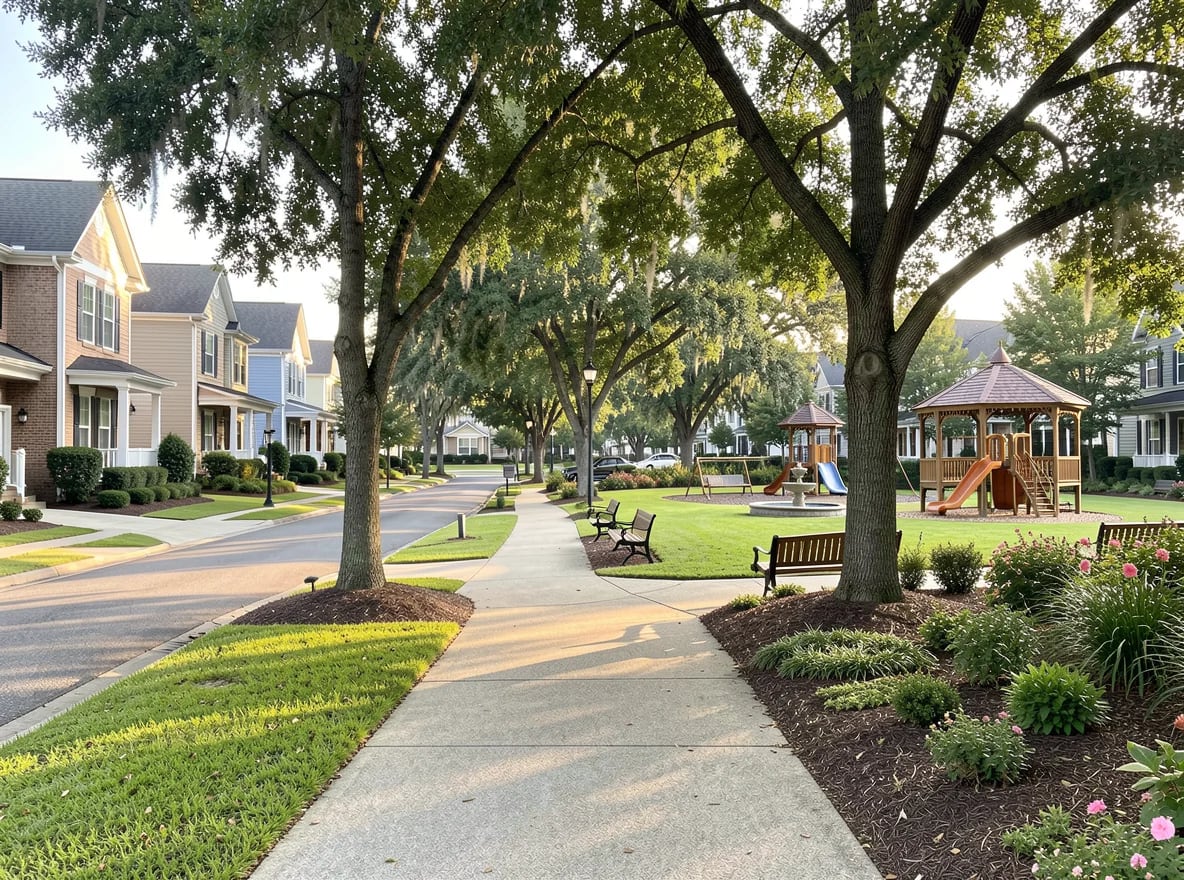
For many relocating buyers, the decision is no longer simply whether to move to Savannah, but whether Savannah still offers the best overall fit once price, commute, and home style are compared side by side with Pooler. As more buyers weigh historic charm against newer construction, larger lots, and suburban convenience, Pooler has become a serious alternative rather than a backup plan.
This article looks at why that shift is happening and what it means if you are trying to buy, sell, or invest in the Savannah area. We will break down the tradeoffs between Savannah and Pooler, including value differences, daily drive patterns, neighborhood feel, and the appeal of newer homes versus older in-town properties. If you are deciding where to focus your search, this guide will give you practical, local context to help you make a smarter move.
For many buyers comparing Savannah with Pooler, the biggest push factor is simple: value. Savannah still offers character, walkability, and historic appeal, but rising prices in many in-town neighborhoods have made some buyers rethink how much house they can afford. When a similar budget can sometimes buy a newer home, a larger lot, or more predictable maintenance costs in Pooler, the tradeoff becomes hard to ignore. That matters especially for relocating households shopping in the low $200s to mid $400s, where monthly payment sensitivity is high.
Commute patterns and post-pandemic lifestyle shifts also play a role. Some buyers no longer need to be close to downtown Savannah every day, so they are more willing to exchange moss-draped streets and older housing stock for newer subdivisions, attached garages, and easier parking in Pooler. At the same time, Savannah buyers often face added questions around flood exposure, insurance costs, and upkeep on older homes, all of which can change the true cost of ownership. Demographically, that has helped pull first-time buyers and move-up households toward Pooler, where newer construction and suburban infrastructure can feel more straightforward. The result is not a rejection of Savannah’s charm so much as a practical recalculation around price, commute, and day-to-day convenience.
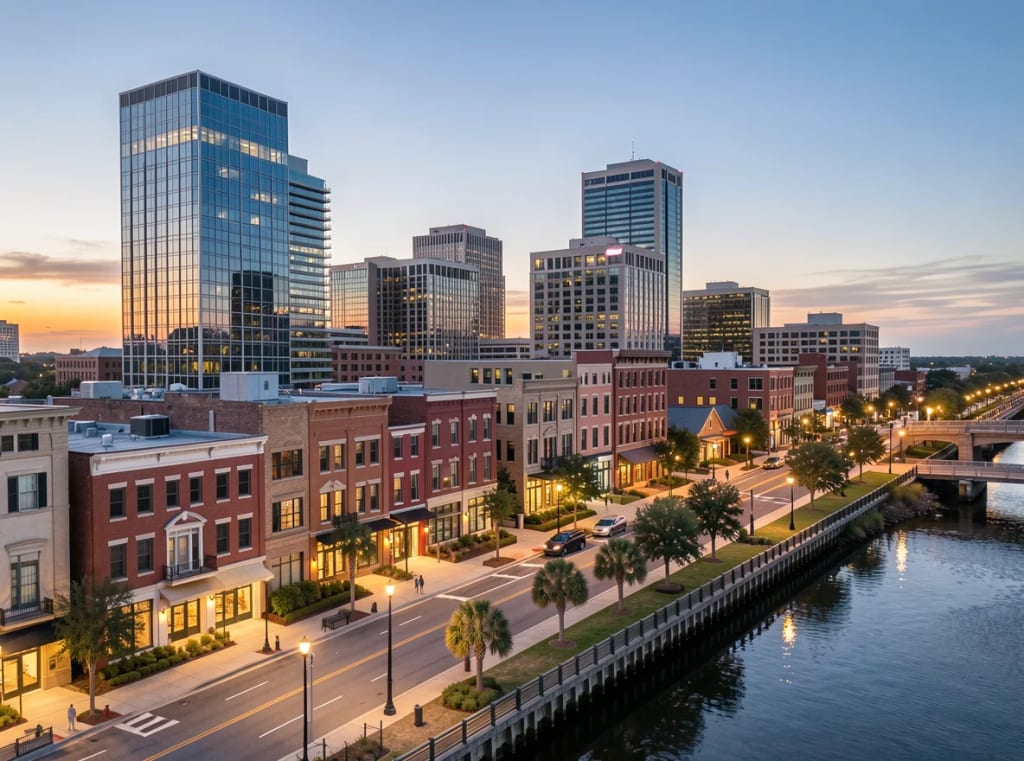
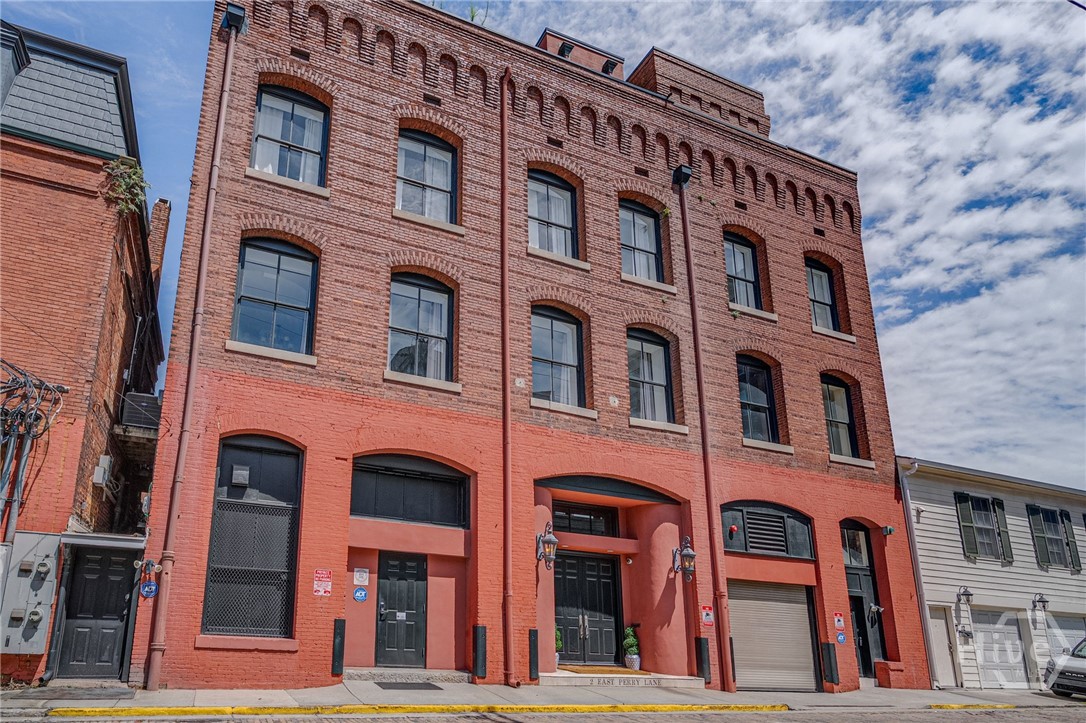
For many buyers comparing Savannah and Pooler, the move is less about leaving the city behind and more about trading one set of priorities for another. In Savannah, residents often talk about rising ownership costs tied to older housing stock, flood-zone concerns, insurance premiums, and the upkeep that can come with historic or mid-century homes. A charming bungalow near the urban core may offer character and walkability, but it can also bring tighter parking, smaller lots, and more maintenance than some households want.
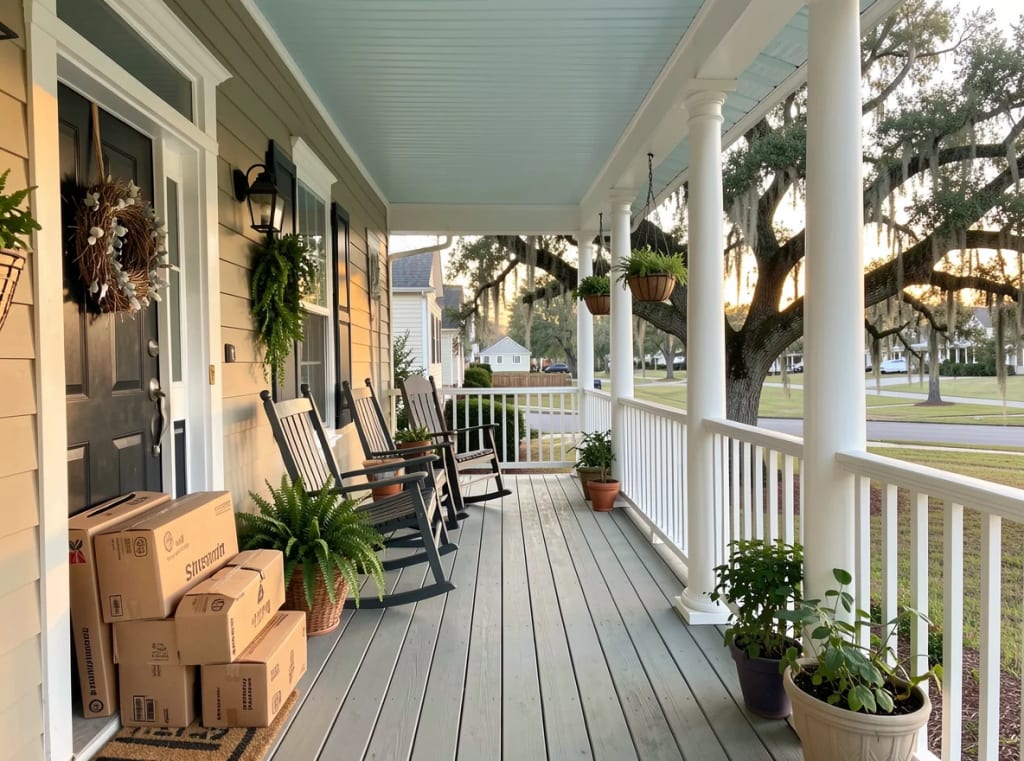
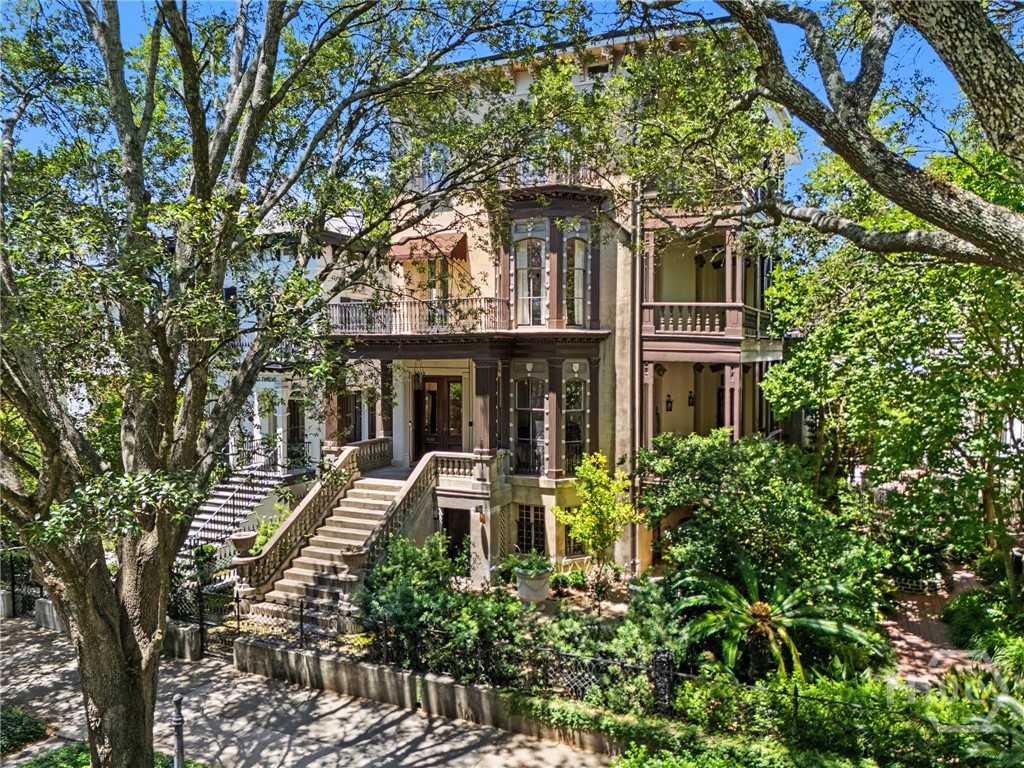
That is where Pooler keeps entering the conversation. Buyers who want newer construction, attached garages, wider subdivision streets, and predictable layouts often see more day-to-day convenience there. Some local households decide that easier parking, newer systems, and proximity to major retail corridors outweigh Savannah’s porch-lined streets and established neighborhoods. Others still prefer Savannah’s live oak canopy, brick sidewalks, and in-town feel. The real question is not why everyone is leaving Savannah, but which tradeoffs fit your budget, commute, and lifestyle best.
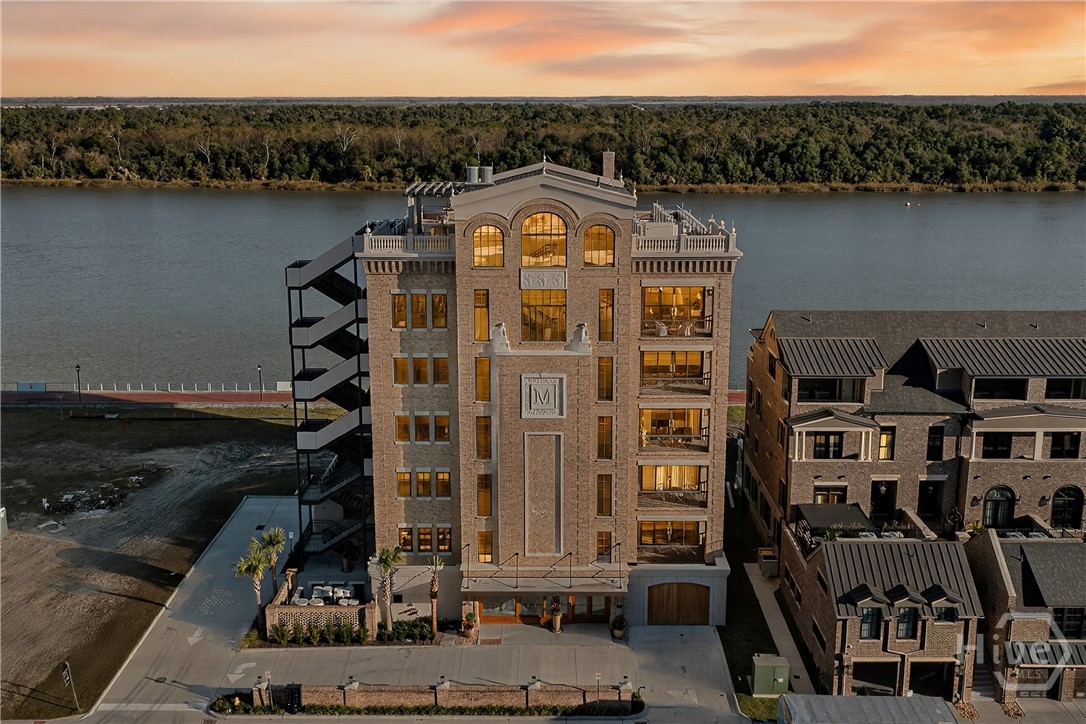
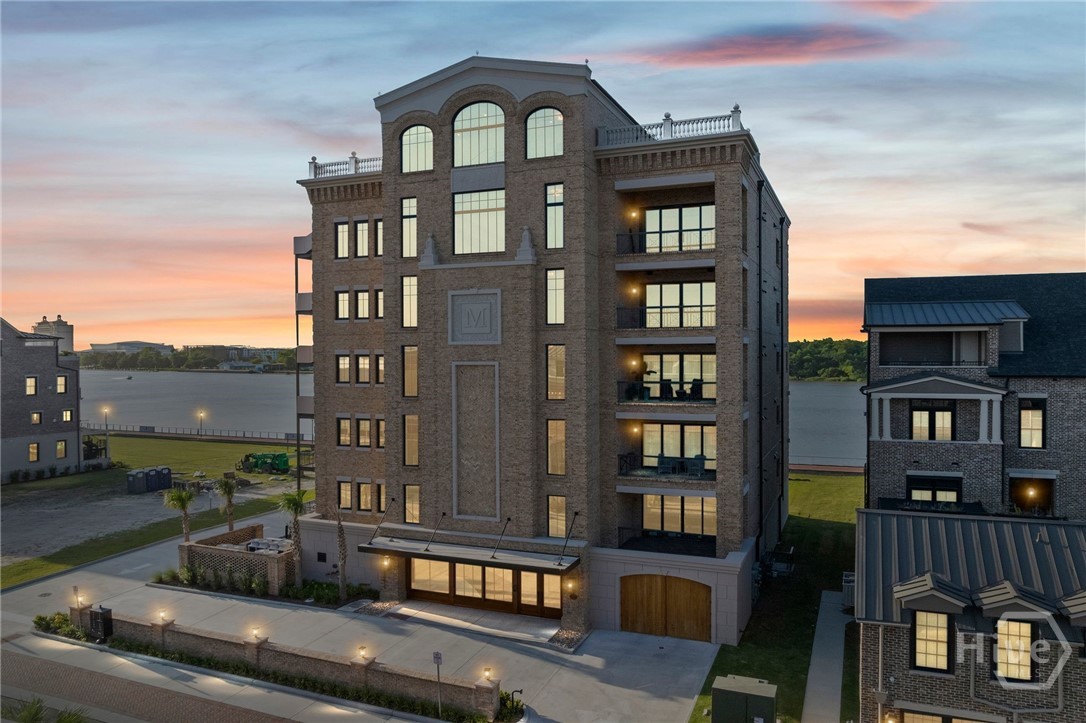
As more buyers compare Pooler’s newer subdivisions with Savannah’s older housing stock and in-town character, the Savannah market can feel more segmented than it did a few years ago. Some demand that might once have focused on Savannah now shifts toward Pooler for newer construction, attached garages, and more predictable maintenance costs. That can create openings for buyers who still want Savannah’s walkable streets, mature live oaks, historic texture, and closer access to downtown neighborhoods. At the same time, well-located Savannah homes continue to attract buyers who value charm, shorter drives to the urban core, and established community character, which helps support pricing in many parts of the city.
For buyers, that means watching inventory closely and comparing total value rather than headline price alone. A Savannah home may offer a better location and lifestyle fit, but older properties can bring added costs for updates, insurance, or ongoing upkeep. For sellers, Pooler’s appeal makes pricing strategy especially important. A Savannah listing needs to clearly communicate what makes it worth choosing over a newer home farther west, whether that is architecture, lot setting, proximity, or neighborhood feel. In this environment, both buyers and sellers in Savannah benefit from careful market analysis, realistic pricing, and a clear understanding of how Pooler competition shapes local decisions.
If you are weighing Pooler against Savannah, the smartest next step is to match your budget, commute, and housing priorities before you start touring homes. Pooler often appeals to buyers who want newer construction, attached garages, and subdivision amenities, while Savannah can offer more historic character, walkable blocks, and established neighborhoods. The right choice depends on how much value you place on convenience versus atmosphere, and whether a shorter drive, larger lot, or older home style fits your daily routine.
In this market, timing matters less than preparation. Compare total monthly costs, not just list price, and look closely at insurance, HOA fees, maintenance expectations, and commute patterns. A local expert can help you read neighborhood trends in both Pooler and Savannah, spot tradeoffs between new-build communities and older in-town homes, and narrow your search around the features that matter most. That kind of planning helps buyers move with more confidence and fewer surprises.
Savannah Homes for Sale
Compare available Savannah homes after weighing Pooler versus Savannah tradeoffs, with active residential listings across a broad range of styles and price points.
Sign in with your email address
You’re being redirected to the page with listing data.