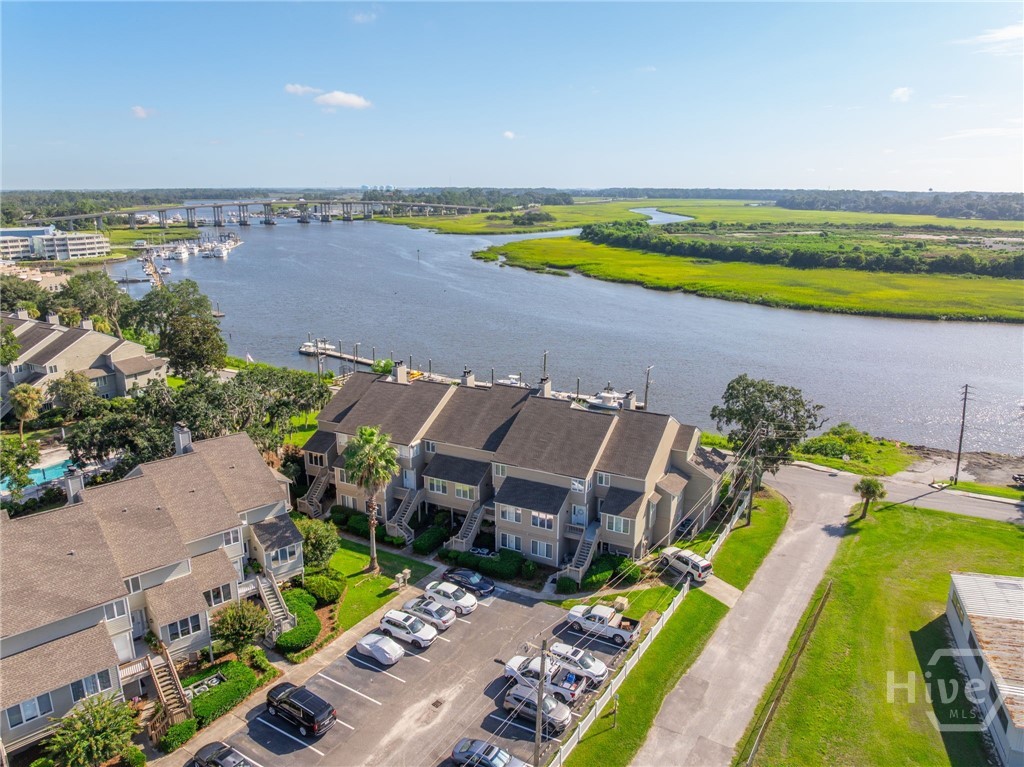
Compare Savannah neighborhoods with more confidence. This guide highlights commute, flood zone, parking, home age, and lifestyle fit for first-time buyers shopping from the low $200s to mid $400s.

Moving to Savannah can feel like an easy yes at first glance. The city offers shaded streets, historic squares, riverfront energy, and quick access to marshes, neighborhoods, and coastal recreation. But for first-time buyers, the details that shape daily life here are often less obvious until after a move is already underway.
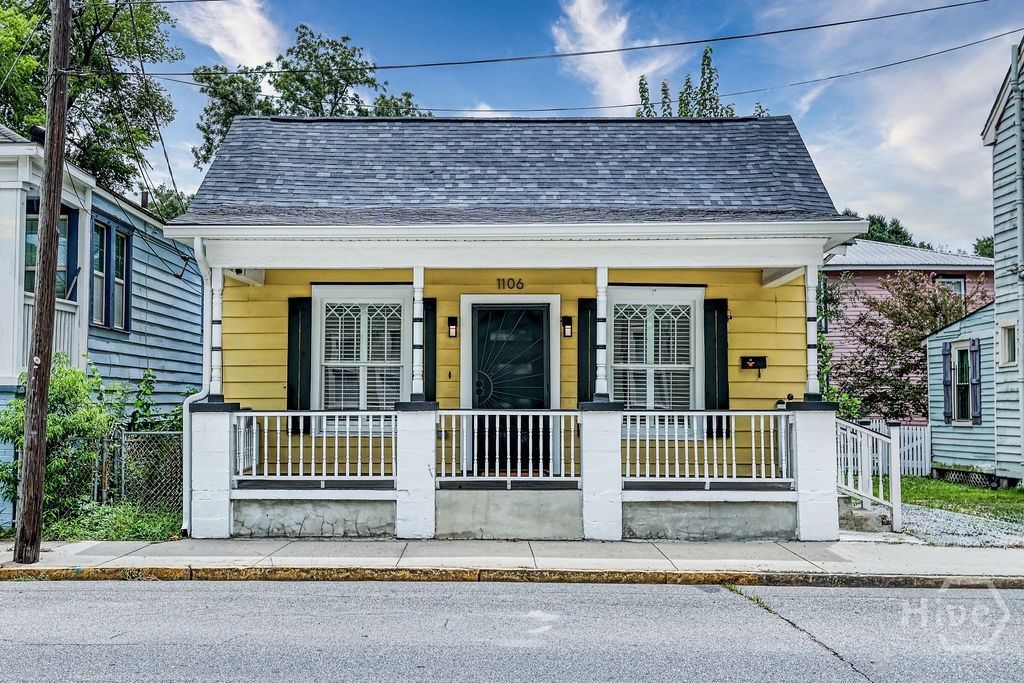
This introduction sets up three mistakes newcomers commonly make: underestimating how Savannah’s humid climate affects routines and home upkeep, choosing a neighborhood before fully weighing commute, parking, flood-zone exposure, and lifestyle fit, and overlooking costs or rules tied to ownership in different parts of the city. Those issues matter whether you are comparing a bungalow near Midtown, a historic property closer to downtown, or a more suburban option outside the core. Understanding how Savannah’s charm connects to practical homebuying decisions is the best way to avoid expensive surprises and choose an area that truly fits how you want to live.
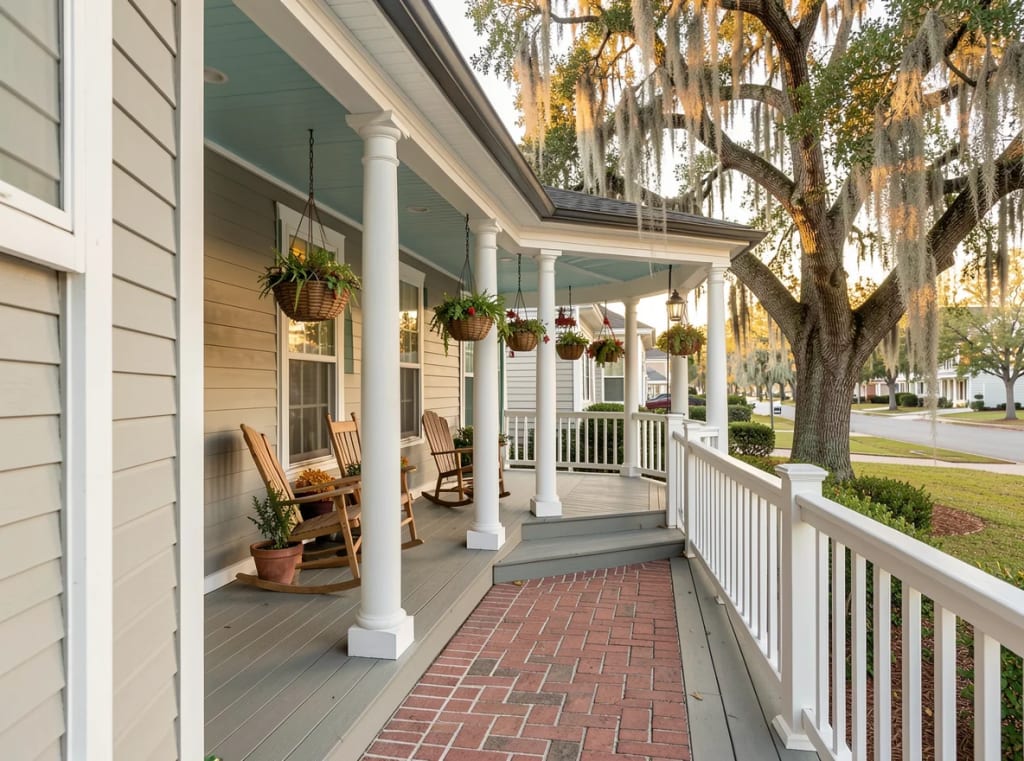
One of the easiest mistakes first-time buyers make in Savannah is treating the city like any other Southern market without factoring in how the local climate shapes neighborhood fit. Savannah’s humid subtropical weather means long, hot summers, frequent rain, and storm-season concerns that can affect everything from your commute to your maintenance budget. A shaded street under live oaks may feel cooler on a July afternoon, while a more exposed area can feel much hotter during daily errands or weekend walks. Buyers comparing homes in the low $200s to mid $400s should also pay attention to drainage, flood-zone history, porch usability, and how older materials hold up in moisture-heavy conditions.
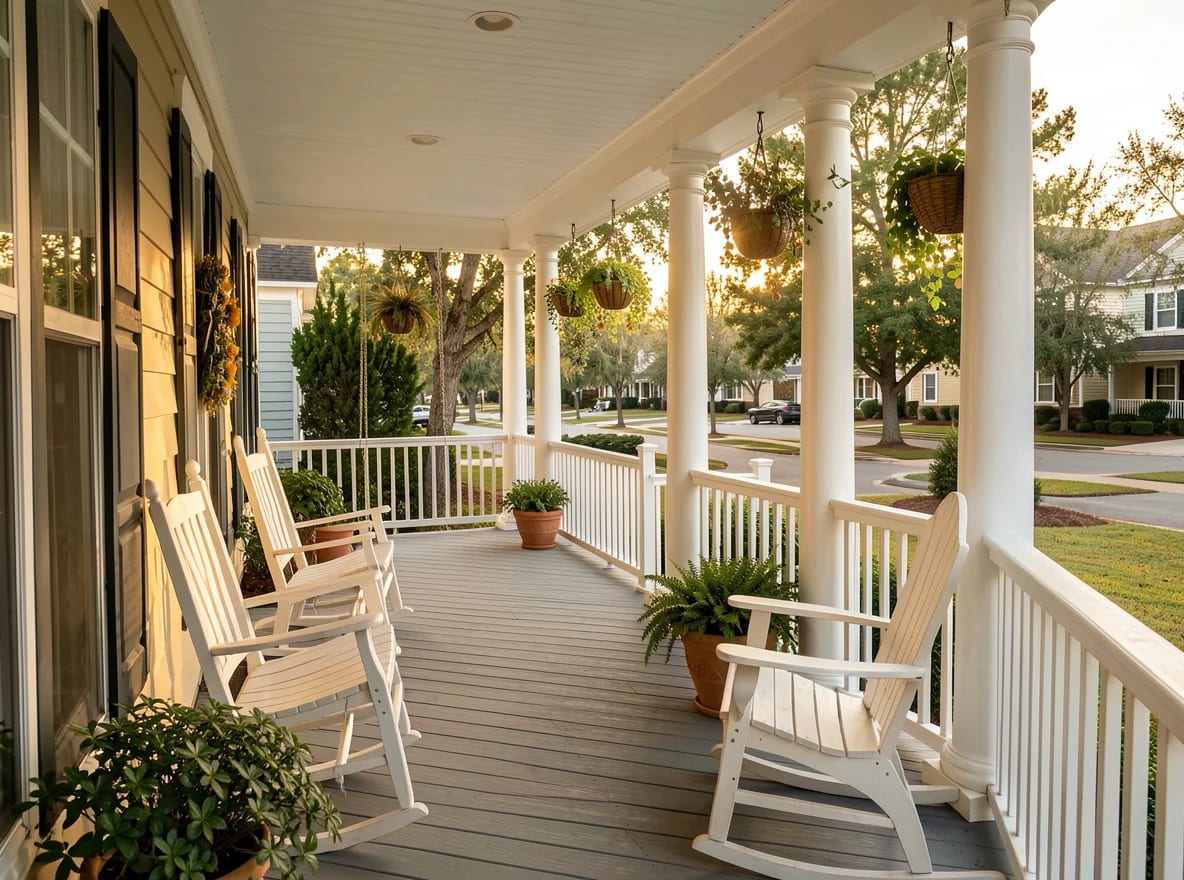
Lifestyle matters just as much. In Savannah, porch-centered blocks, walkable squares, riverfront activity, and easy access to marshes or Tybee-bound routes all create very different day-to-day routines. A neighborhood that looks charming during a quick showing may feel less practical if summer parking is limited, afternoon storms are common, or outdoor plans depend on shade and breeze. Before making an offer, visit at different times of day, ask about storm prep and insurance, and look closely at roofing, siding, and ventilation. The right neighborhood is not just about price or style—it is about how well the home and surroundings match Savannah’s climate and pace of life.
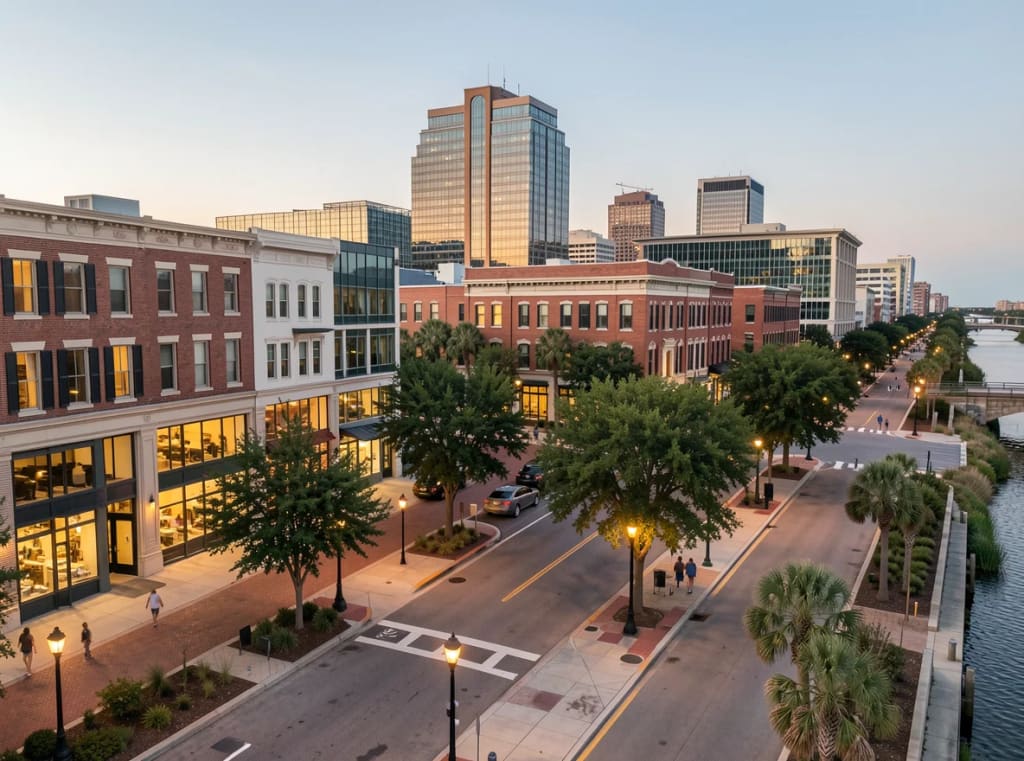
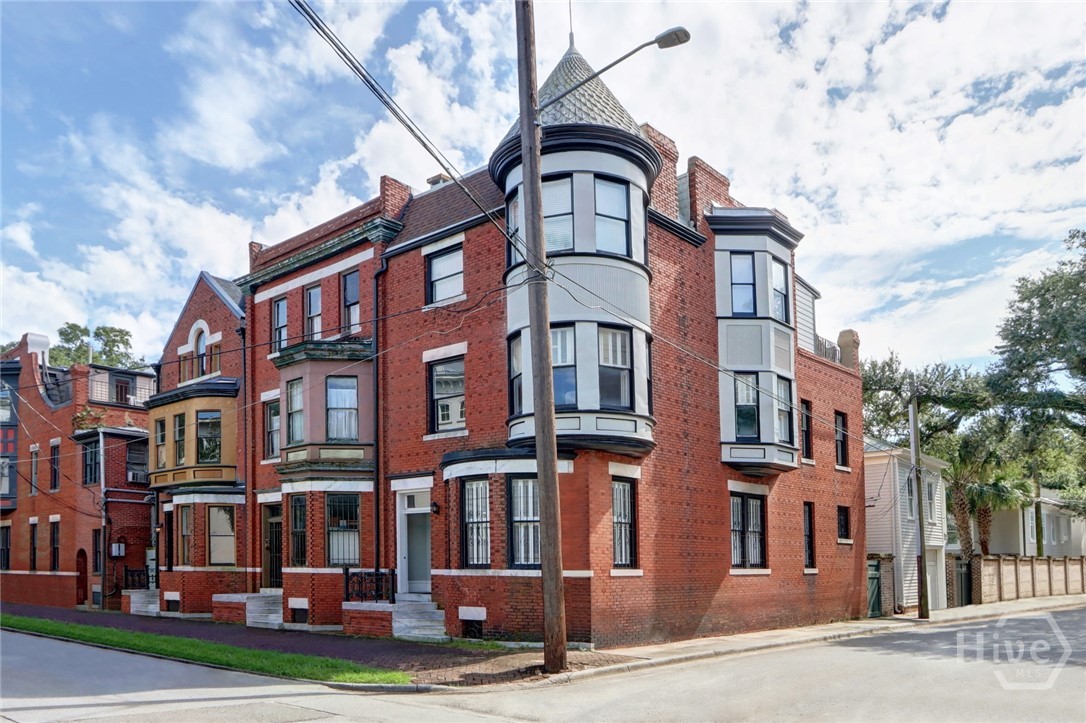
One of the easiest mistakes first-time buyers make in Savannah is assuming every neighborhood offers the same daily experience. In reality, your commute, parking situation, flood exposure, housing style, and weekend routine can change dramatically from one area to the next. Ardsley Park appeals to buyers who want mature trees, classic homes, and a central in-town feel. The Historic District offers walkability and character, but buyers need to weigh older housing stock, visitor traffic, and preservation rules. Midtown often provides a practical balance of convenience, shopping, and established neighborhoods, while Georgetown and Southside can appeal to buyers focused on value, newer layouts, and easier access to major roads.
Before making an offer, compare school options, insurance implications, and how each area feels at different times of day. A quick tour is not enough. Check flood zones, test the drive to work, and spend time around the blocks you are considering. In Savannah, neighborhood fit is not a small detail; it is one of the biggest clues to whether a home will work for you long term.
One of the easiest mistakes first-time buyers make when comparing Savannah neighborhoods is focusing only on the mortgage payment. In practice, two homes with similar list prices can carry very different monthly costs once flood insurance, property taxes, and HOA dues are added. That matters in Savannah, where some areas sit closer to marshes, creeks, or low-lying ground and may require more insurance planning than buyers expect. A neighborhood with a lower purchase price can still feel more expensive if the insurance quote is high or the community has recurring association fees.
Local regulations can also shape whether a home truly fits your plans. In and around Savannah’s historic areas, exterior changes may face stricter review, which can affect renovation timelines, materials, and budgets. Buyers who hope to offset costs with short-term rentals should also verify current local rules before making an offer, because restrictions can vary by location and zoning. The safest approach is to build a realistic budget that includes taxes, insurance, dues, maintenance, and a reserve for rule-driven updates. Before you commit, ask for flood zone details, review HOA documents, and talk with a local real estate professional who understands how Savannah neighborhood differences affect total ownership costs.
As you compare Savannah neighborhoods, the smartest next step is to slow down and verify the details that first-time buyers often miss. A home that looks like a great value in one part of Savannah can come with a very different commute, flood insurance outlook, parking setup, or maintenance profile than a similar-priced property in Pooler, Garden City, or Richmond Hill. Looking closely at street patterns, lot conditions, age of construction, and day-to-day lifestyle fit can help you avoid expensive surprises after closing.
Thoughtful planning also means working with someone who understands how these local factors affect real decisions. Luis Bruno has been helping buyers in the Savannah area since 2016, and his relocation-focused perspective can be especially useful for newcomers trying to balance budget, neighborhood character, and long-term comfort. If you are narrowing down where to live, reaching out early can help you build a clearer plan before you make an offer.
Savannah Homes in a First-Time Buyer Range
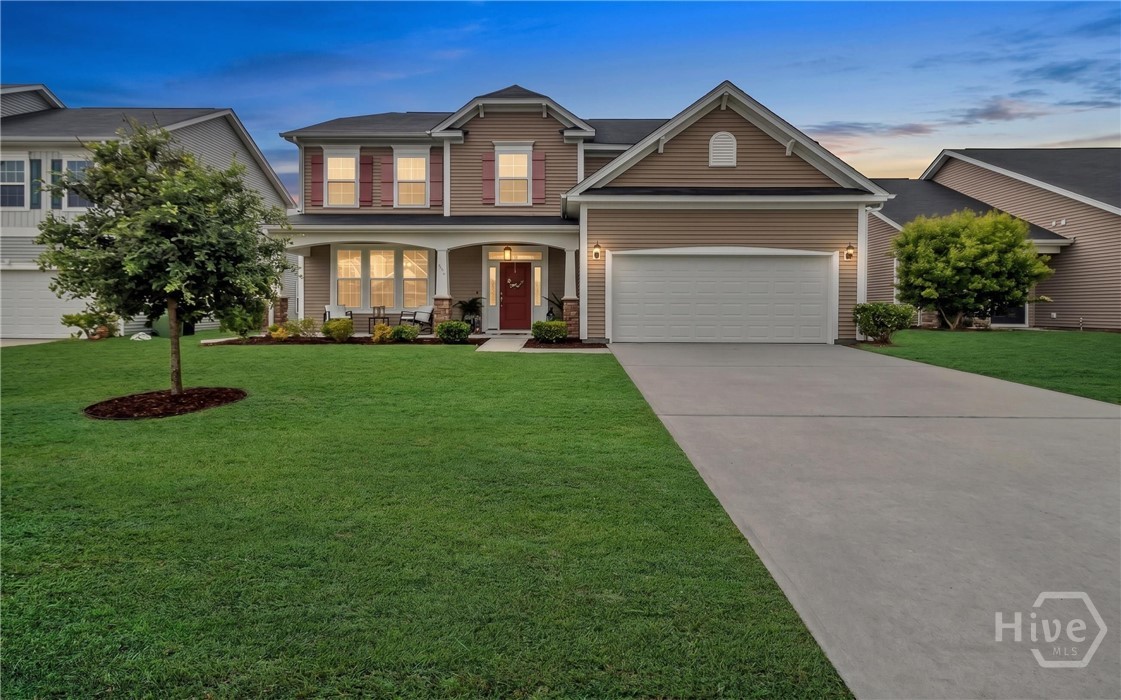
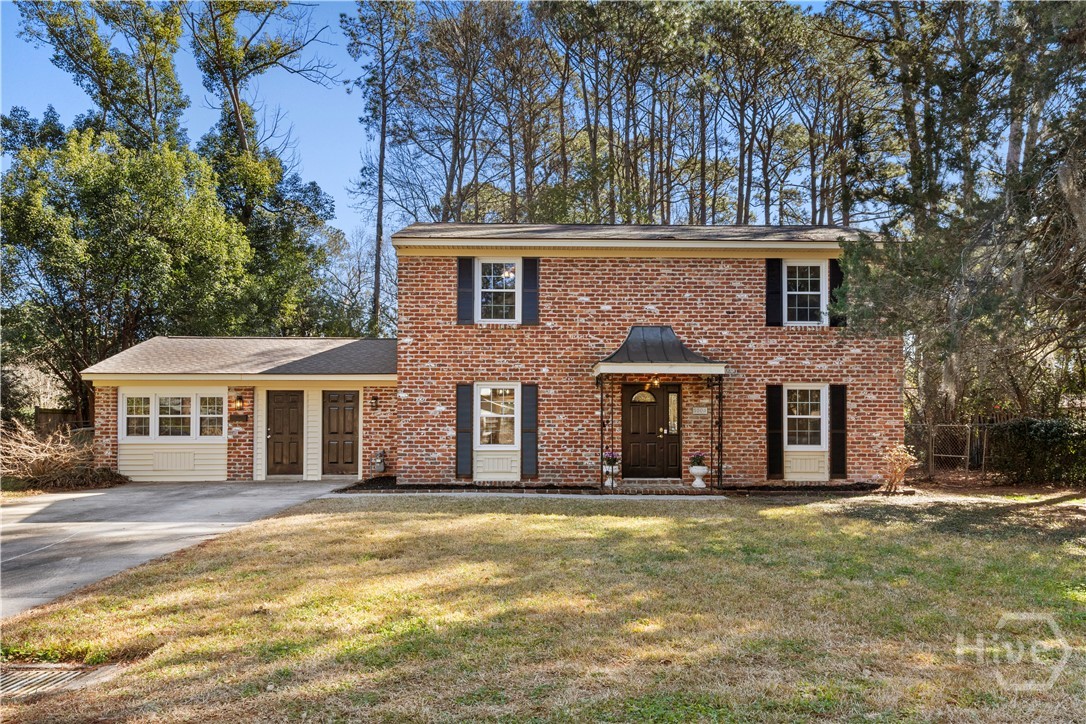
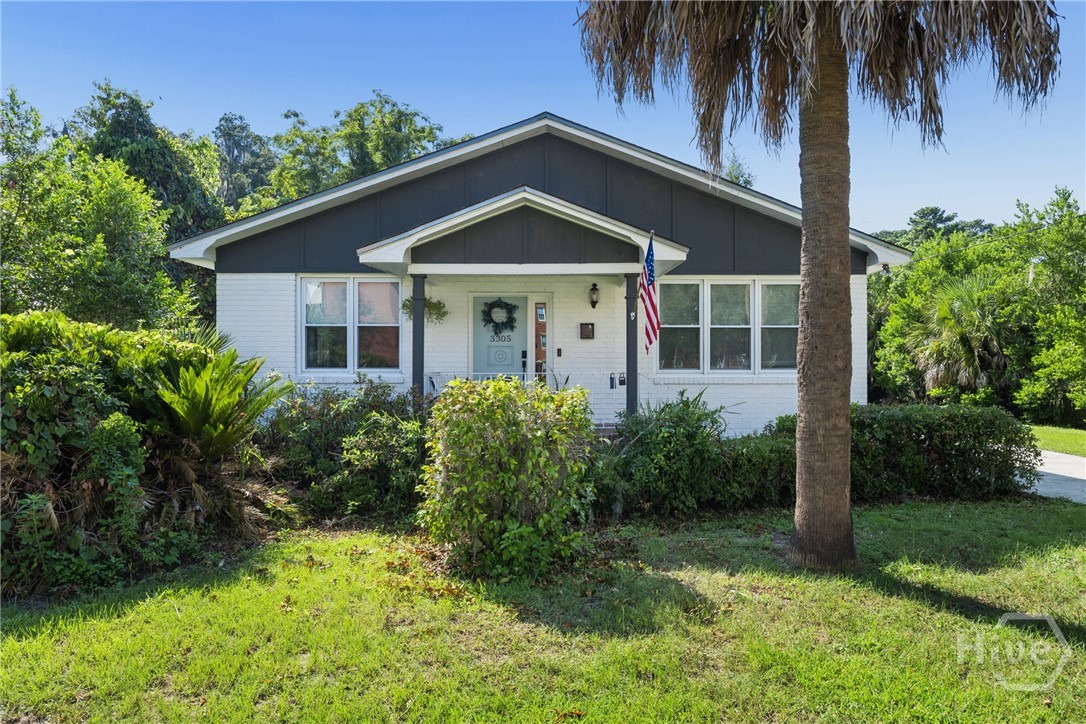
Browse active Savannah homes that fit the price range many first-time buyers are comparing after weighing commute, flood zone, parking, and neighborhood character.
Sign in with your email address
You’re being redirected to the page with listing data.